مُصنِّع محترف ، منذ 2009.
نشر رائحة الحب في جميع أنحاء العالم.


العربية
فئات
مدونة جديدة
كيف تختار موزع الرائحة المناسب لمساحتك التجارية: دليل شراء شامل August 27 , 2026
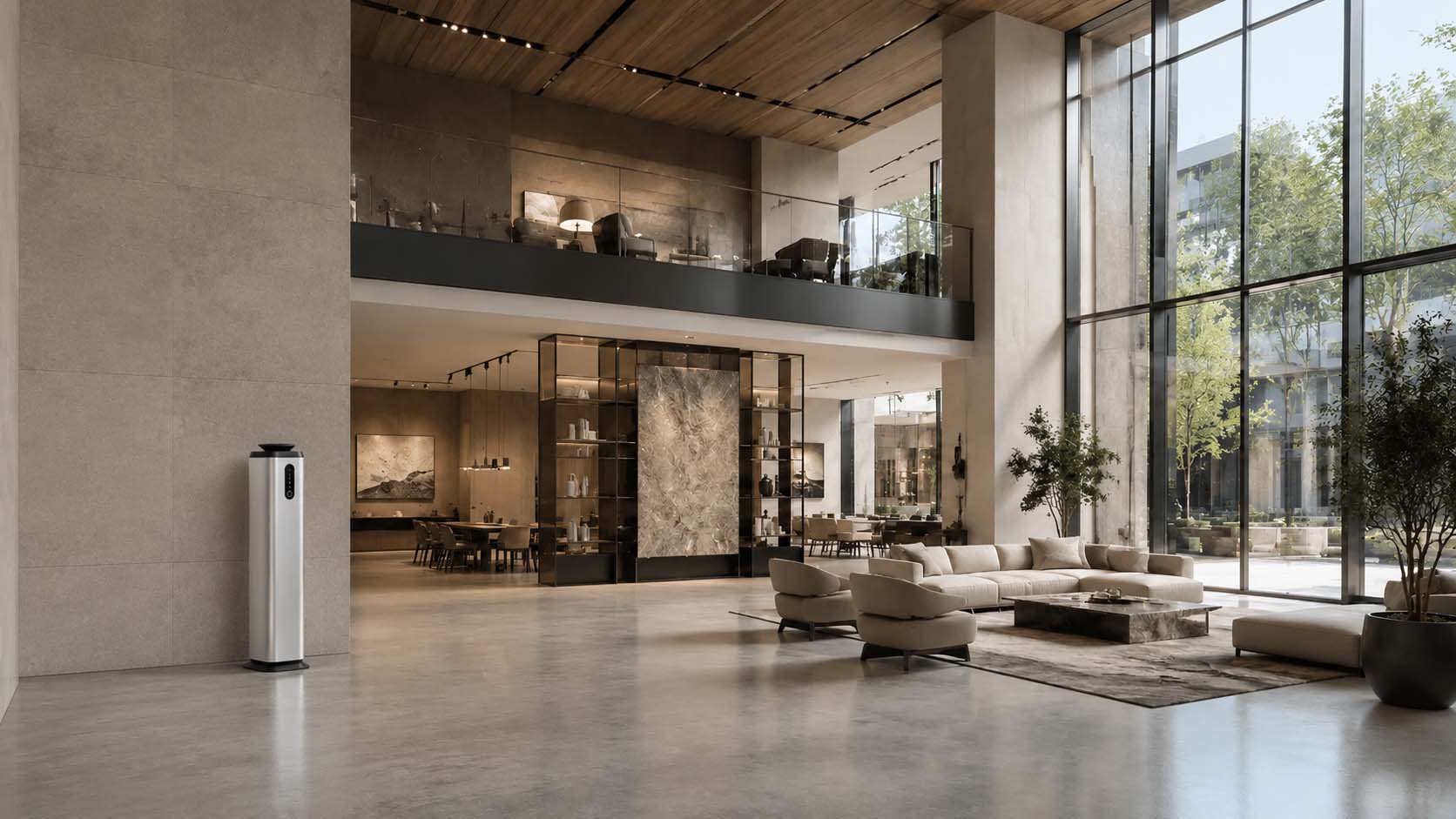
إن اختيار موزع العطور التجاري ليس مجرد مسألة إيجاد النموذج الذي يحظى بأكبر تغطية منشورة.
قد تتشابه مساحات الأرضيات في ردهة الفندق، ومتجر الأزياء، ومكتب الاستقبال، ونادي اللياقة البدنية، وصالة العرض، ومركز التسوق، ولكن تختلف تمامًا في ارتفاعات الأسقف، وأنماط تدفق الهواء، وساعات العمل، وحدود الضوضاء، وقواعد التركيب.
يجب أن تتناسب آلة تعطير الجو المناسبة مع المبنى وكذلك مع استراتيجية العطور.
يقدم هذا الدليل لمشغلي الفنادق وتجار التجزئة ومديري العقارات والموزعين وفرق المشتريات عملية عملية لاختيار موزع روائح تجاري دون المبالغة في حجم المعدات أو إغفال تكاليف التشغيل.
اختر موزع العطور التجاري فقط بعد التأكد من ستة مدخلات:
المنطقة أو النطاق المحدد الذي يجب تعطيره
الحجم المكعب لتلك المنطقة
كيف يدخل الهواء، ويتحرك عبره، ويخرج من المكان
سواء كان التركيب قائمًا بذاته، أو مثبتًا على الحائط، أو متصلًا بنظام التدفئة والتهوية وتكييف الهواء
الجدول الزمني التشغيلي المطلوب، ومستوى الضوضاء، وطريقة التحكم
الاستهلاك المتوقع للزيوت العطرية، وعبء أعمال الصيانة، والتكلفة الإجمالية
تُعدّ التغطية المنشورة مفيدةً في إعداد قائمة مختصرة، لكنها لا تُغني عن إجراء مسح للموقع أو تشغيله ميدانياً.
ابدأ بهدف المشروع بدلاً من الآلة.
قد تتطلب الأهداف المختلفة خططاً مختلفة للروائح:
قد يرغب الفندق في ترك انطباع متسق عند الوصول إلى الردهة الرئيسية.
قد يرغب بائع التجزئة في خلق جو مميز لعلامته التجارية بالقرب من المدخل ومنطقة البيع.
قد يرغب المكتب في تجربة استقبال هادئة دون التأثير على مناطق العمل الفردية.
قد يحتاج معرض العقارات إلى العطور أثناء العروض التقديمية، ولكن ليس طوال الليل.
قد يحتاج المنتجع الصحي إلى تشغيل هادئ وكثافة منخفضة بالقرب من غرف العلاج.
قد يعطي المشغل الذي يدير مواقع متعددة الأولوية للإعدادات الموحدة وإجراءات الموظفين البسيطة.
اكتب جملة واحدة تحدد النتيجة المرجوة. على سبيل المثال:
قم بإنشاء عطر خفيف ومتناسق في منطقة الاستقبال والانتظار التي تبلغ مساحتها 600 متر مكعب خلال ساعات العمل، دون أن تدخل الرائحة إلى غرف الاجتماعات المجاورة.
هذا أكثر فائدة من طلب "جهاز تعطير قوي".
ينبغي أن يبدأ اختيار موزعات العطور التجارية بحجم الغرفة:
حجم الفراغ = الطول × العرض × متوسط ارتفاع السقف
على سبيل المثال، يبلغ حجم المساحة المفتوحة التقريبي لمتجر أبعاده 20 مترًا في 10 أمتار وارتفاع سقفه 4.5 متر ما يلي:
20 × 10 × 4.5 = 900 م³
قد يتطلب موقعان لهما نفس مساحة الأرضية البالغة 200 متر مربع معدات مختلفة إذا كان أحدهما يحتوي على سقف بارتفاع 3 أمتار والآخر يحتوي على ردهة بارتفاع 7 أمتار.
سجّل أكثر من الرقم الرئيسي. يتضمن ذلك:
المناطق المفتوحة والمغلقة
الميزانين والأتريوم
سلالم تربط الطوابق الأخرى
غرف القياس أو الغرف الخاصة
أبواب خارجية تُفتح بشكل متكرر
مناطق مفصولة بجدران بارتفاع كامل
الأماكن التي ينبغي أن تبقى خالية من العطور
لا تقم بإضافة جميع الغرف تلقائيًا إلى إجمالي واحد. قد يحتاج المكتب المغلق والردهة المفتوحة إلى تحكم منفصل حتى لو كانا جزءًا من نفس العقار.
تنتشر العطور مع حركة الهواء. ولا يمكن للمخطط الأرضي وحده أن يوضح كيفية انتشارها.
أثناء مسح الموقع، حدد ما يلي:
فتحات إمداد وعودة الهواء لنظام التكييف والتهوية
جداول تهوية الهواء النقي
مراوح الشفط
الأبواب الدوارة أو المنزلقة أو المفتوحة بشكل دائم
السلالم المتحركة، وردهات المصاعد، والسلالم الأرضية
مداخل ذات حركة مرور عالية
مراوح كبيرة أو ستائر هوائية
فواصل ورفوف طويلة
حدود خدمات الطعام أو المطابخ
وظائف الموظفين وأماكن الجلوس لفترات طويلة
أحدث الأخبارمعيار ANSI/ASHRAE 62.1-2025يغطي هذا الدليل التهوية، والترشيح، وأنظمة التحكم، وتشغيل المباني، وصيانتها لضمان جودة هواء داخلي مقبولة. ويتضمن إصدار عام 2025 متطلبات محدثة للتهوية حسب الطلب، وهو أمر بالغ الأهمية لأن تدفق الهواء قد يتغير تبعًا لعدد الأشخاص الموجودين في المبنى وجداول تشغيل النظام.
يجب أن يتوافق موزع العطور مع تدفق الهواء في المبنى، ولكنه لا يوفر هواءً نقياً، ولا يزيل الملوثات، ولا يحل محل التهوية.التوجيهات الحالية لوكالة حماية البيئة الأمريكية بشأن جودة الهواء الداخلييحدد التحكم في المصدر والتهوية والترشيح أو تنظيف الهواء كاستراتيجيات أساسية لجودة الهواء الداخلي.
إذا كانت هناك مشاكل في التهوية أو الصرف أو الصرف الصحي أو تراكم بقايا الطعام في مكان ما، فابحث عن مصدر المشكلة أولاً. لا ينبغي استخدام العطور لإخفاء مشكلة في المبنى لم يتم حلها.
تتضمن الأشكال الرئيسية أنظمة مستقلة، وأنظمة مثبتة على الحائط، وأنظمة متصلة بنظام التدفئة والتهوية وتكييف الهواء.
توضع الأجهزة المستقلة على الأرض أو الرف أو سطح أثاث ثابت. وهي عادةً الأسرع في التركيب والنقل.
تكون مفيدة عندما:
يحتاج الموقع إلى اختبار تجريبي
الوصول إلى مجرى الهواء غير متاح
تتطلب المنطقة المستهدفة تحكمًا مستقلاً
لا يجوز للمستأجر إجراء أي تعديلات على المبنى
يتغير مخطط الطابق بانتظام
يمكن وضع المعدات بشكل آمن
تتمثل القيود في الرؤية، والضوضاء المحلية، وإدارة الكابلات الكهربائية، واحتمالية تركز العطر بالقرب من الوحدة.
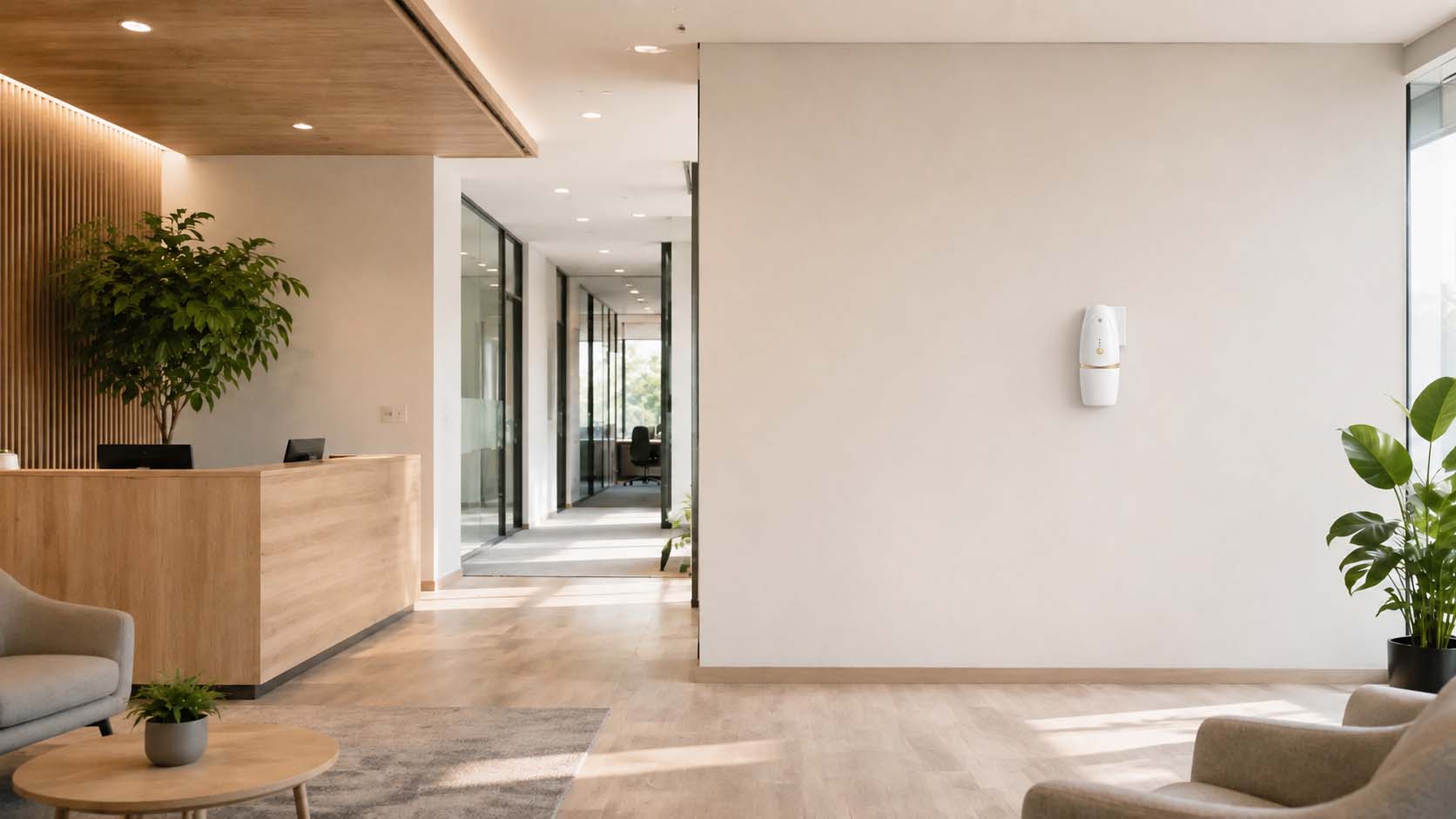
يمكن للأجهزة المثبتة على الجدران أن تحافظ على نظافة الطاولات والأرضيات. وقد تكون مناسبة للمكاتب والممرات ودورات المياه ومناطق البيع بالتجزئة الصغيرة ومناطق الاستقبال عند توفر موقع مناسب على الحائط ومصدر طاقة.
تأكد من عدم وجود أي عائق أمام الجهاز، سواء كان ذلك بسبب الأثاث أو الستائر أو البضائع أو الأبواب أو طوابير العملاء. كما يجب أن يبقى الجهاز متاحًا لتغيير الزيت وإجراء الصيانة.
An HVAC scent diffuser introduces fragrance into compatible building airflow for broader distribution.
This can suit large permanent spaces when:
The intended area matches a controllable HVAC zone
Equipment should remain outside the customer area
The duct route and injection position are suitable
Facility staff can provide service access
The building owner and engineering team approve the installation
Do not connect tubing to an arbitrary supply or return duct. A qualified building or HVAC professional should review airflow direction, pressure, shared zones, filtration, operating hours, and the risk of fragrance reaching unintended areas.
Coverage should be only one line in the comparison.
Commercial equipment should allow the operator to reduce or increase output through controlled work and pause periods. The available range should be suitable for the smallest intended setting, not only maximum output.
Check whether the machine supports daily time periods, different days of the week, automatic restart, and an easy method for returning to approved settings.
Noise matters in spas, meeting areas, quiet retail environments, VIP lounges, and reception desks. Ask how the published noise figure was measured and assess the sample in the actual placement position.
A larger bottle can reduce refill frequency, but it also increases the amount of oil stored in the device. Select capacity using operating hours, tested consumption, access frequency, and staff responsibility.
Possible options include buttons, touch controls, Bluetooth, Wi-Fi, or an App. More connectivity is useful only if the customer can support account management, permissions, updates, network access, and staff training.
Public-facing equipment may need a lock, hidden controls, secure oil access, or placement outside customer reach.
Confirm how staff reach the oil bottle, atomizer, tubing, seals, filter, and power connection. A concealed installation still needs convenient service access.
The following framework helps narrow the format before comparing individual models.
| Commercial Space | Main Buying Priority | Typical Starting Format |
|---|---|---|
| Large hotel lobby | Broad coverage, quiet operation, premium appearance | Floor-standing or reviewed HVAC solution |
| Fashion or lifestyle retail | Local control, flexible placement, brand presentation | Standalone commercial diffuser |
| Office reception | Subtle output, low noise, simple maintenance | Compact standalone or wall-mounted diffuser |
| Showroom or sales center | Scheduling, visible design, changing occupancy | Floor-standing diffuser |
| Spa or wellness reception | Quiet operation, low minimum output | Compact or wall-mounted diffuser |
| Large multi-zone property | Independent zones and centralized distribution | Multiple standalone units or engineered HVAC plan |
These are starting points, not automatic prescriptions.
TheDANQ M63 floor-standing scent diffuseris designed for large commercial areas. Current company materials publish a 1,000 ml bottle, standalone installation, low-noise operation, and coverage up to 4,000 m³.
That published figure should be used to shortlist the model, not to guarantee performance in every 4,000 m³ property. A high-ceiling lobby with open doors and strong fresh-air supply may perform differently from an enclosed showroom of the same volume.
The Q1000PRO is part of DANQ’s commercial scent equipment range and can be considered for retail, hospitality, office, and other project environments.
Because final selection depends on the current model configuration, request the latest Q1000PRO specification sheet, installation options, oil capacity, control functions, noise conditions, consumption estimate, and model-specific documents before purchase.
The S915 is a wall-mounted plug-in model designed to keep floor and counter space clear. DANQ product materials describe waterless operation, Bluetooth control, and quiet performance.
Confirm the plug standard, mounting orientation, coverage requirement, lowest output, oil capacity, and service access for the destination market and intended location.
Unit price does not show the full cost of a commercial scent program.
Compare:
Equipment price
Installation or electrical work
Fragrance-oil consumption
Oil price and shipping classification
Refill and cleaning labor
Atomizer cores, seals, tubing, and other wear parts
App or remote-management requirements
Staff training
Replacement equipment or downtime allowance
Freight, duties, and local taxes
A basic operating estimate can use:
Monthly oil cost = tested hourly consumption × daily operating hours × operating days × oil price
Do not use maximum-output consumption if the approved program runs at a much lower duty cycle. Test with the selected fragrance because viscosity and volatility can affect atomization and consumption.
Also compare labor. A lower-priced device that needs frequent local attention may cost more across 30 or 100 locations than equipment with a longer, predictable refill cycle.
The machine, oil, and settings operate as one system.
Before approving bulk oil or equipment, verify:
Atomization stability
Fragrance character after diffusion
Residue around the outlet
Compatibility with tubing, seals, and the atomizer
Consumption under the proposed schedule
Performance after extended operation
Required cleaning interval
A fragrance that smells balanced on a blotter may change after diffusion. Highly volatile notes may dominate first, while heavier materials can affect persistence and maintenance.
Request the current Safety Data Sheet and other documents required for the exact oil, application, and destination market. Do not assume that one fragrance document covers every formula or that every oil is compatible with every diffuser.
Start below the expected final setting and increase gradually.
A useful pilot should include:
Installation during normal building operation
An agreed starting work and pause cycle
Checks at the entrance, center, boundaries, and staff positions
Review during quiet and busy periods
Oil-level and maintenance records
Customer and staff feedback
A documented final setting
Use a simple intensity scale such as:
Absent
Subtle
Noticeable
Strong
Uncomfortable
Ask new arrivals as well as employees. Staff may become less aware of the fragrance after extended exposure.
If the scent reaches restaurants, treatment rooms, neighboring tenants, private offices, or other unintended areas, adjust placement, output, zoning, or operating periods before adding more equipment.
Provide enough information for a project-specific recommendation.
Your RFQ should include:
Country and destination market
Type of commercial property
Floor plan and photographs
Length, width, and ceiling height
Target scenting zones
Areas that must remain unscented
HVAC information and operating schedule
Door and traffic conditions
Required installation format
Daily business hours
Noise expectations
Preferred control method
Fragrance direction
Estimated number of locations
Sample requirements
OEM/ODM requirements
Required model-specific documents
Avoid asking only, “Which machine covers 1,000 square meters?” The supplier needs volume, airflow, zoning, and operating information to make a useful recommendation.
Before approving the purchase order, confirm:
Approved model and hardware revision
Installation method and placement drawing
Voltage, adapter, and plug standard
Oil bottle and atomizer configuration
Fragrance code and approved sample
Initial operating schedule
Cleaning and refill procedure
Spare-parts list
Warranty and after-sales process
Packaging and accessories
Logo, color, or App customization
Current model-specific compliance documents
Pre-shipment inspection criteria
Change-control process
Certification claims should always be verified by exact model and destination. A document for another SKU or an earlier hardware version may not apply to the equipment being ordered.
Calculate the cubic volume using length × width × average ceiling height. Then evaluate airflow, doors, HVAC schedules, zoning, and fragrance intensity before choosing the final model.
No. An oversized machine may create an uncomfortable hot spot, short work cycles, higher cost, or unnecessary noise. The lowest controllable output is important in smaller or quiet spaces.
Choose standalone equipment for flexible placement, pilots, and independent local control. Consider HVAC integration for large permanent zones only after the building system and shared airflow have been reviewed.
A fragrance system is not a substitute for source control, cleaning, ventilation, filtration, moisture correction, or building maintenance. Resolve the source of persistent odors first.
The interval depends on the model, oil, schedule, environment, and operating hours. Follow the model-specific instructions and record refills, cleaning, consumption, and component replacement.
Send the property type, dimensions, ceiling height, HVAC information, doors, business hours, installation restrictions, fragrance direction, destination market, and expected quantity.
The best commercial scent diffuser is not automatically the machine with the highest output. It is the system that delivers controllable fragrance across the intended zone while remaining practical to install, operate, refill, clean, and support.
Measure cubic volume, map airflow, compare installation formats, calculate operating cost, and test the selected machine with the selected fragrance in the real property.
تُصنّع شركة DANQ أجهزة نشر العطور منذ عام 2009، وتُقدّم خدماتها للمشاريع التجارية، وأنظمة التدفئة والتهوية وتكييف الهواء، والمنازل، والسيارات، وزيوت العطور، بالإضافة إلى مشاريع تصنيع المعدات الأصلية/تصميمها وتصنيعها حسب الطلب. يُمكن للمشترين طلب توصيات بشأن الطرازات، وكتالوجات المنتجات، وعروض الأسعار، وعينات من الأجهزة، وعينات من العطور.
اتصل بشركة DANQ Aroma للحصول على توصية بشأن موزع عطور تجاري

مُصنِّع محترف ، منذ 2009.
نشر رائحة الحب في جميع أنحاء العالم.


Guangzhou DANQ Environmental Technology Co.,LTD